
Word Game Classic
IsCool EntertainmentWord
4.8293.00 Reviews
- Version
- 0.14.2
- Installs
- 500.00K
- Age Rating
- Everyone
Screenshots
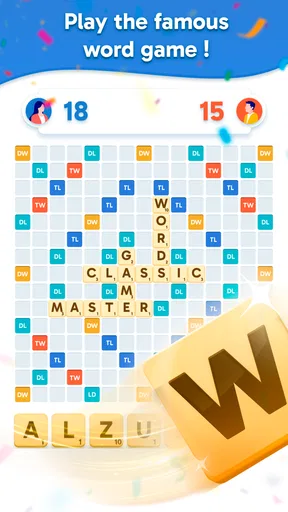
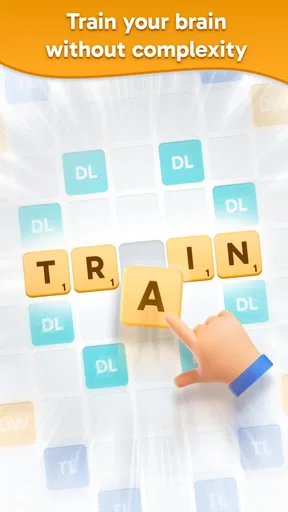
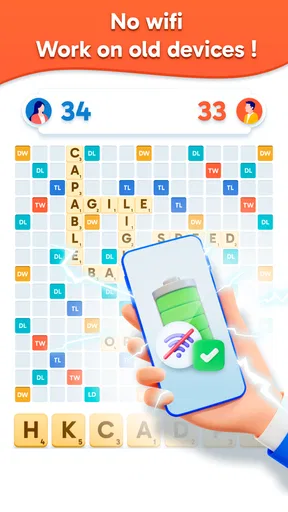
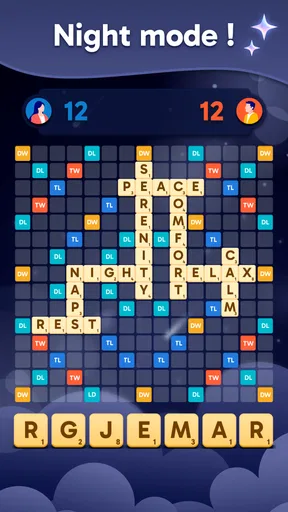
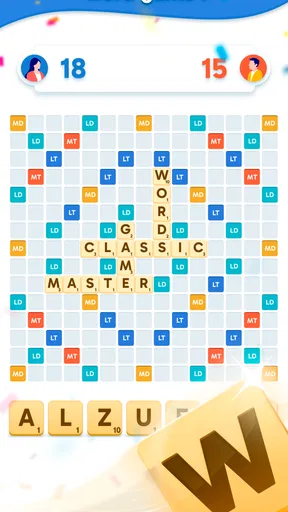
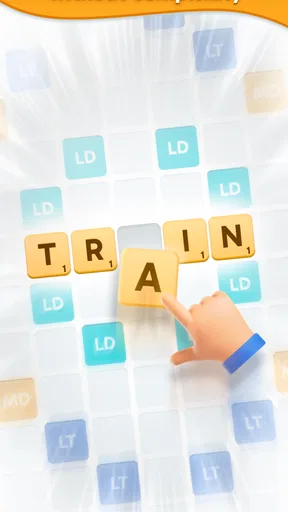
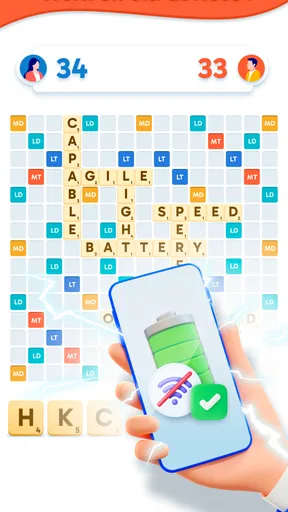
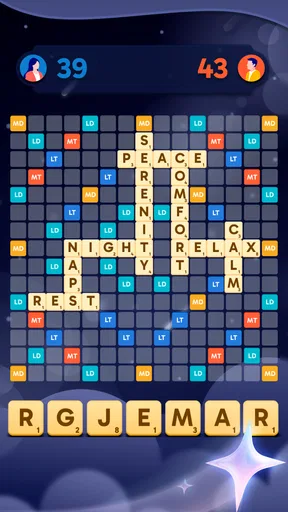
Our Review of Word Game Classic
 Analysis by Appyee
I went into Word Game Classic expecting a familiar word puzzle and found exactly that: a simple, recognizable format that is easy to start but still asks you to think carefully. Its appeal is not based on a complicated story, a large collection of systems, or a demanding learning curve. It comes from the pleasure of spotting a useful word, making a smart placement, and improving a weak position one move at a time.
That simplicity is also the main question for me: does this game remain worthwhile after the first burst of curiosity? After spending time with it, I think the answer depends heavily on what you want from a mobile word game. If you like classic vocabulary challenges and short sessions, it has a strong chance of becoming a regular habit. If you need constant novelty, fast action, or a steady stream of new mechanics, its traditional approach may feel limited sooner than you expect.
Why the first week feels so inviting
The opening experience is unusually approachable because the basic idea needs almost no explanation. The store presents it as a classic word game, and that description is accurate without telling the whole story. I could begin playing without studying a long tutorial or learning a collection of unfamiliar rules. The familiar structure lets the challenge come from word choice rather than from understanding the interface.
That makes the game particularly comfortable for short breaks. I can imagine opening it while waiting for an appointment, taking a few turns during a quiet commute, or playing a little before bed without committing to a long session. The low barrier is important: a game that asks for too much attention at the start often gets abandoned, while this one makes it easy to return after a gap.
During the first few sessions, the most satisfying moments came from resisting the obvious move. A short word may be safe, but a slightly riskier placement can create better opportunities later. I found myself checking the available letters, considering where future words might fit, and refusing to spend a valuable letter simply because it completed the first word I noticed. That small pause is where the game becomes more than a vocabulary test.
The strongest early habit is to think about the next turn before finishing the current one. A move that scores well immediately can leave an awkward board, while a modest move may preserve flexible spaces and useful letter combinations. This is a practical tip for new players because the game rewards board awareness as much as knowing unusual words.
The free price also makes the first-week trial easy. I did not have to make a purchase decision before finding out whether the classic format suited me. The listed age rating is Everyone, which matches the accessible nature of the game. It is suitable for players who want a calm word challenge rather than something tense or visually overwhelming.
Its audience is broader than dedicated word-game experts. Someone returning to this type of puzzle after years away can understand the rhythm quickly, while an experienced player can still look for better placements and more efficient use of letters. That range is one of the reasons the game feels welcoming at first: it does not demand that every player approach it at the same skill level.
Small decisions matter more than speed
I also liked that the game encourages deliberate play. It is not the sort of title where tapping quickly is automatically the best strategy. I found more value in scanning the whole board, looking for openings, and considering whether a difficult letter could become useful in a later combination. This gives the experience a relaxed pace that works well when I want entertainment without the pressure of a countdown.
One useful approach is to separate word discovery from placement. First, I look for words I can make. Then I inspect where each one would produce the best result or leave the most options. Combining those steps too quickly makes it easy to overlook a stronger move. This workflow is simple, but it changes the game from “what word can I see?” to “what is the best use of this word here?”
The first week can therefore feel rewarding even without a large number of additional systems. The core loop has enough room for improvement because the same letters can create different decisions depending on the board. I do not need a new rule every few minutes to feel engaged; I need a reason to examine my choices more carefully.
What remains valuable after the novelty fades
The more important test is what happens after the initial familiarity wears off. Classic word games can be excellent long-term companions, but only when their basic decision-making continues to feel meaningful. In my experience, this one has recurring value for players who enjoy gradual improvement rather than constant surprise.
The game works best as a routine. I would not treat it as a title to finish in a weekend. Instead, I see it as something to revisit for a few minutes, especially when I want a quiet mental exercise. That makes its value less dependent on a dramatic first impression and more dependent on whether I genuinely enjoy the process of searching, comparing, and placing words.
For month-to-month use, I recommend setting a personal goal that is not tied only to winning. For example, I might focus on using awkward letters more effectively, preserving better board openings, or avoiding rushed placements. These goals keep familiar sessions from becoming automatic. They also make improvement easier to notice because I am evaluating a specific part of my play rather than vaguely hoping the game will stay exciting.
A second useful habit is to review mistakes immediately after a poor turn. I try to ask whether I missed a better word, chose the wrong location, or spent a flexible letter too early. That short review turns an unsuccessful round into practice. It is especially helpful for players who enjoy vocabulary games but do not want to rely on memorizing obscure words alone.
The game’s reported audience suggests that this straightforward format has broad appeal: it has a 4.8 average from around 9.6 thousand ratings and has passed 500 thousand installs. Those figures do not guarantee that every player will enjoy it, but they do reflect a healthy level of interest in this particular style of word game. I can understand that response because the format is instantly readable and does not bury its main activity under extra layers.
Still, recurring value has a ceiling. If you need frequent content changes, a strong narrative, or a sense of collecting and unlocking, this may not hold your attention for months by itself. The classic structure is its strength, but it also means the experience depends on your willingness to keep finding interest in the same kind of decision.
Where it fits beside other word-game choices
Compared with rapid word puzzles, this game is better suited to players who prefer planning over reflexes. Fast alternatives can provide more energy and immediate excitement, especially when I only have a minute and want a quick challenge. Word Game Classic is more comfortable when I want to consider several possibilities and accept that the best move may not be obvious.
Compared with heavily social word games, it is a better fit for someone who wants the central puzzle without needing a large community experience around it. On the other hand, players who are motivated by direct competition, conversation, or visible social progress may find a dedicated multiplayer alternative more compelling over time.
It also differs from vocabulary-learning apps. Those products usually make instruction the main objective, while this game makes play the focus. I may improve my word awareness incidentally, but I would not choose it as a replacement for a structured language course. Its benefit is that it makes thinking about words enjoyable rather than turning every session into a lesson.
That distinction matters when deciding whether to keep it installed. I would recommend it to someone who wants a familiar puzzle with enough strategic depth to reward attention. I would skip it in favor of a more specialized option if my main goal were language study, rapid-fire stimulation, or a large progression system.
How much maintenance the game asks from me
One of the pleasant things about this release is that it does not require a complicated personal routine. I do not need to prepare a build, manage a collection, or remember a long sequence of systems before playing. The maintenance burden is mostly mental: keeping the game interesting by varying how I approach each session.
That low burden makes it easy to leave installed without feeling obligated to check in every day. I can return after several days and understand what I am doing immediately. For a casual player, that is a real advantage over games that punish inactivity or require constant attention to remain competitive.
The current version is 0.14.2, and the game supports devices running Android 7.0 or later. Those details make it accessible to people using older compatible Android phones, although actual comfort will still depend on the device and personal preferences. I appreciate that the minimum operating-system requirement does not push the game toward only the newest hardware.
Because it is free, the main financial question appears when optional purchases become relevant. The listed in-app purchase price is $8.49 per item. I would approach that carefully rather than paying automatically. The core appeal is the word puzzle itself, so a purchase should feel justified by a specific benefit I value, not by pressure to keep up with a routine.
My practical advice is to use the free experience long enough to decide whether the game has earned a place in your daily habits. If I am still opening it naturally after the initial curiosity has passed, then spending may make more sense than it would during the first excited session. If I already feel that the central loop is becoming repetitive, paying will not solve that underlying issue.
Keeping sessions fresh without forcing them
I found that the best way to maintain interest is to change the purpose of a session. Some days I can play conservatively and focus on leaving useful openings. On other days I can experiment with less obvious words or challenge myself to make better use of difficult letters. This adds variety through decision-making rather than pretending the game is something it is not.
Another effective routine is to stop after a satisfying round instead of playing until the experience feels dull. Word games are easy to overuse because each turn is short and another attempt is always tempting. Ending while I still want one more game helps preserve the sense that the title is a pleasant break rather than a chore.
For families or shared devices, its Everyone rating and readable format make it approachable across age groups. I would still expect skill differences to shape the experience: a confident word player may dominate a beginner, so casual shared play works better when the goal is comparing ideas or learning strategies rather than proving who is best every time.
Where fatigue begins to appear
The main source of fatigue is not poor execution; it is the limited distance between the first session and the hundredth. A classic word game can remain deep, but its surface stays familiar. If I am looking for constant visual change or new objectives, I may start noticing that repetition before I have exhausted the strategic possibilities.
There is also a risk of routine turning into autopilot. Once I recognize a comfortable pattern, I may stop examining the board properly and simply choose the first acceptable word. That is when the game feels less engaging. The solution is not a new feature but a more deliberate style of play, although not every player will want to supply that extra effort.
Players who dislike ambiguity may also become frustrated. The best move is not always the most obvious move, and a strong result can depend on seeing opportunities that are easy to miss. Someone who wants transparent objectives and immediate feedback may prefer a puzzle with clearer levels, explicit goals, or faster confirmation of progress.
The free-to-play structure deserves attention as well. The presence of $8.49 purchases means I would check the purchase prompts and decide in advance whether I want to spend anything. Even when the underlying game is enjoyable, optional spending can change how relaxed the experience feels for a player who prefers a completely fixed-cost product.
Finally, this is not the right choice for people seeking action. There is no reason to install a thoughtful word game and then judge it for not delivering the pace of an arcade title. Its calm rhythm is intentional. I would choose it when I want concentration, not when I need a burst of sound, movement, or immediate reaction.
Who should keep it installed
I would keep it on my phone if I enjoyed returning to the same puzzle framework and finding better decisions inside it. It suits commuters, casual players, word enthusiasts, and anyone who likes a low-pressure activity that can be paused mentally between other tasks. It is also a sensible choice for someone who wants to try a classic format without paying at the start.
I would be more cautious if my interest depends on frequent updates, elaborate progression, or social competition. In those cases, a different word-game category may provide stronger long-term motivation. The important point is not whether this game has enough content in an abstract sense; it is whether the central act of choosing and placing words remains enjoyable for me.
My long-term verdict
Word Game Classic earns lasting space when I treat it as a dependable mental break rather than an endlessly expanding entertainment platform. Its first-week appeal comes from immediate familiarity, its monthly value comes from improving judgment, and its maintenance burden stays low because I can return without relearning a complex system.
At the same time, I would not recommend it blindly. The familiar format can become repetitive, optional purchases deserve a deliberate decision, and players who need constant novelty will probably outgrow it. Those are meaningful limitations, not minor complaints, because long-term enjoyment depends almost entirely on liking the core word-play loop.
For me, the strongest reason to recommend it is the balance between accessibility and thought. I can play casually, but I can also examine why one placement is better than another. That gives the game more staying power than a purely disposable word puzzle, even though it does not transform the genre.
Released on June 3, 2024, and developed by IsCool Entertainment, it presents itself as a free, familiar word challenge rather than a complicated mobile system. My final advice is simple: try it during several short sessions, not just one enthusiastic download. If you still find yourself considering better words and cleaner placements after the novelty fades, this is the kind of modest game that can quietly become part of your routine.
Verdict
Strengths of Word Game Classic
- Simple rules make it easy for beginners to start playing.
- Offline support lets you enjoy matches without an internet connection.
- Short rounds fit well into quick breaks or commutes.
- Classic word gameplay offers a relaxing alternative to action games.
- Useful for practicing spelling and expanding everyday vocabulary.
Limitations of Word Game Classic
- Difficulty may feel inconsistent between easier and harder rounds.
- Limited visual variety can make extended sessions feel repetitive.
- Some features may be restricted behind ads or in-app purchases.
- The game may lack deeper multiplayer options for competitive players.
- Players seeking modern twists may find the classic format too basic.
Similar Picks in This Category
View All
Word Search - Word Puzzle Game
Bluetile4.8

Word Search Quest - Puzzles
Blackout Lab4.8

CodyCross: Crossword Puzzles
Fanatee, Inc.4.7

Words of Wonders: Crossword
Fugo Games4.9

Wordscapes: Word puzzle game
PeopleFun4.7

Word Search Explorer
PlaySimple Games4.9
Frequently Asked Questions
What is Word Game Classic, and how is it played?
Word Game Classic is a casual word puzzle designed around familiar letter and vocabulary challenges. Players typically form words from available letters, complete levels, and try to achieve higher scores through accuracy and speed. The game is easy to understand, making it suitable for short sessions, although later stages may require a stronger vocabulary and more thoughtful planning.
Is Word Game Classic suitable for beginners and children?
Yes, Word Game Classic is generally accessible to beginners because its basic controls and word-forming mechanics are simple to learn. It can also be useful for children who are practicing spelling and vocabulary, but parents should review the game’s content, advertising, privacy settings, and age rating before installation. Difficulty may increase as players progress.
Can Word Game Classic be played offline?
Many word puzzle features in Word Game Classic can usually be enjoyed without a constant internet connection, which is convenient when traveling or using limited mobile data. However, certain functions may require connectivity, including advertisements, updates, analytics, leaderboards, cloud synchronization, or in-app purchases. It is best to open the game once online after installing it.
Does Word Game Classic include advertisements or in-app purchases?
Word Game Classic may use advertisements to support free access, and players could encounter banners, interstitial ads, or optional reward videos during gameplay. Depending on the version available for your device, there may also be purchases for removing ads, obtaining hints, or unlocking additional content. Always check the store listing for current pricing and purchase details.
What should I check before downloading Word Game Classic?
Before downloading Word Game Classic, check that your Android or iOS device meets the required operating-system version and has enough available storage. You should also review the developer information, recent user ratings, permissions, privacy policy, and update history. If you prefer uninterrupted play, confirm whether the app contains ads, optional purchases, or online-only features.
Play our best games!


